Clean Eating Grocery Shopping List For Beginners
This post may contain affiliate links. If you make a purchase through links on this site, I may earn a commission.
Read my Privacy Policy.
When you’re learning how to eat clean, you may not know how to shop for clean foods. This clean eating shopping list for beginners will help you!
Keep in mind that this clean eating grocery list, or list of non-processed foods, is based on the foods that are available in my area, so you may need to adjust it a bit for what’s available in yours. But it should give you a good starting point either way. Most of these are basic ingredients found in any grocery store. Pantry staples, produce, meats, and more. As you learn to shop this way, your clean eating grocery list will expand, and that’s as it should be!
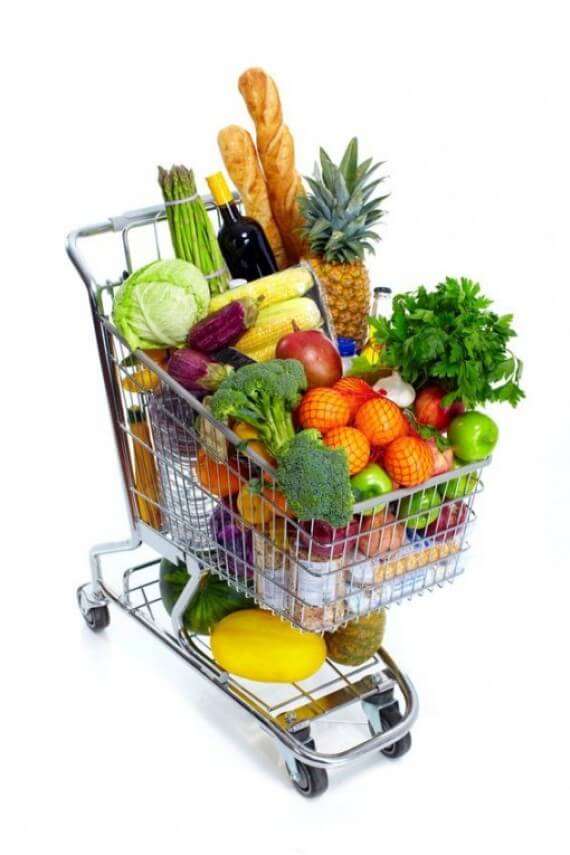
The truth is, this could also be seen as a simple, clean eating food list. A list to give you ideas and a jumping-off point. You don’t have to buy everything on this list to eat clean. In fact, your clean eating food list should be an ever-growing and changing list that will accommodate your lifestyle specifically.
This is a great “clean eating for beginners” list, but it’s not the “be-all, end-all” of lists. This clean eating for beginners food list should simply inspire you at the store. Let’s get started!
Clean Eating Shopping Tips
- Know that manufacturers do change their ingredients from time to time. It’s been my experience that if the label changes, the ingredients usually do too. And usually, not for the better. So keep an eye out for ingredient changes. Knowing how to eat clean means being observant. If you make it a habit to read the ingredient lists on a regular basis, you’ll never be caught by surprise.
- If you run across any brands of food that are clean that are not listed here, please share them in a comment below. If we help each other, we will all succeed.
Eat Clean With Groceries From These Stores
Click each link below to get a clean eating grocery shopping list for each store.
Clean Eating Shopping List For Beginners
Here is my clean eating grocery list to help get you started.
Bread
- Ezekiel brand bread – Most often found in the freezer section. This brand of bread has several types to choose from, but read the ingredients as not all are clean. They have tortillas as well.
- Alvarado Street Bakery brand bread – They have wonderful bread, rolls, hamburger buns, and hot dog buns, all of which are clean.
- Trader Joe’s brand whole grain bread – The two in particular that I know are clean are the Sprouted Multi-Grain bread and the California Protein bread.
Crackers
- Ak Mak Whole Wheat Crackers – Get it on Amazon here. (affiliate link)


Tortillas
This one is tough. It may take you a while to find a clean version. The only clean tortilla left in my area is sold by Trader Joe’s. They are hard to find but worth it. Typically, the only ingredients will be corn, lime, and water. Trader Joe’s also carries a sprouted wheat tortilla that is clean and quite good once you get used to the texture. It’s a bit stiffer than what you might be used to. The other option is to make your own.
Dairy And Non-Dairy
Dairy can be a source of much confusion when you’re learning to eat clean, so here’s a general breakdown.
- Milk – Raw milk is the cleanest milk you can get. But since it’s hard to find, expensive, and even illegal in some states, the next best thing would be organic, full-fat milk. If you choose this route, it’s best to treat your milk as a fat and carbohydrate instead of a protein. Also, know that homogenization is the processing of dairy. You can go low fat, but the lower in fat you go, typically the more processed the milk is.
- Cottage cheese (for those who eat it) – Full fat is best, but you can also use low fat. (NOT fat-free.) That being said, it can be very difficult to find truly clean cottage cheese, and again, the lower the fat, the more processing involved.
- Yogurt – Always opt for Greek yogurt when you can. Plain yogurt (regular or Greek) is the only way to go. You can always mix in your own fruits and dab of honey or maple syrup if you need it flavored. Full fat, though, not reduced or non-fat.
- Cheese – Most cheeses are eaten in moderation due to their high-fat content. Just be sure that if you buy it, you buy the real thing. No pre-shredded cheeses either (they have anti-caking agents added). If you need it shredded, buy the block and shred it yourself. Real grated Parmesan cheese is acceptable in moderation. (Note: Kraft brand Parmesan cheese is not clean. If it can sit on a shelf or in a cupboard for months, it’s not clean. Buy the stuff in the refrigerator section.)
- Unsweetened almond milk – Although a quick glance at the ingredient list may leave you wondering. It’s best to make your own.
- Unsweetened rice milk (made from brown rice, not white). Again, homemade is best.
- Unsweetened soy milk – If you go this route, be sure to purchase the organic variety to avoid GMOs.
- Unsweetened coconut milk – This is NOT the stuff in the cartons. This is the stuff in the cans. Be sure to read the labels here. The Thai Kitchen brand is clean and pretty widely available. Light coconut milk is perfectly fine in this case. Get it on Amazon here. (affiliate link)

Poultry
- Eggs – These are a staple, especially egg whites. But most of the nutrition is in the yolks, so don’t leave them out too often. Try to avoid the carton of egg whites.
- Chicken & Turkey – Boneless, skinless poultry breasts are your best friends if you eat meat. But whole chickens are often the better deal, and you get so much more out of them. If you can afford organic meats, it’s always a better way to go.
Beef
Once you know how to eat clean, beef can be part of your clean eating diet. However, you need to choose grass-fed and humanely raised beef. A butcher can help you select these. If you are wanting to forgo beef, try venison, bison, or buffalo. Both are very similar in flavor.
Other Meats And Fish
- Pork – While not everyone considers pork a clean food, it’s actually clean if you get the good quality versions. Processed pork should be avoided like the plague. Things like ham are definitely not part of a clean eating meal plan. Skip the Canadian bacon as well. (How Canadian bacon ever got labeled as healthy is beyond me!)
- Duck
- Buffalo
- Venison – This is a very lean meat and can be used in place of beef in most recipes.
- Fish – Most fish is considered clean, just be careful of the mercury content found in most fish today. Also, please be sure you are buying sustainably. Your purchases have an impact here in a big way on the health of our oceans. Check out the Monterey Bay Aquarium web site for up-to-date info on what fish is safe to purchase in any given season. Salmon, trout, and cod are great choices.
Produce
This is where you really want to stock up. If you are concerned about pesticides but are on a tight budget, the general rule of thumb is to purchase organics for produce that has thin skin, such as peaches, nectarines, and all berries, and purchase regular items for produce that has thicker skin, like bananas and oranges. Google “The Dirty Dozen” if you want to have a list of the worst pesticide-laden produce or the “Clean 15” for the best produce to purchase conventionally.
So this is where “Shop The Perimeter” really comes in. The produce section is your friend, ESPECIALLY if you’re just learning how to eat clean. Load up when you can, as you’ll want most of your eating plan to be generated from this section of the store.
Fresh Fruits
- Apples
- Oranges
- Grapefruits
- Strawberries
- Blueberries
- Banana
- Avocados
- Berries of all kinds
- Cherries
- Kiwi
- Pears
- Raspberries
- Blackberries
- Star fruit
- Any other fresh fruit you enjoy
Fresh Vegetables
- Carrots
- Cabbage
- Cucumber
- Celery
- Spinach
- Broccoli
- Bell Peppers in any color
- Zucchini
- Mushrooms
- Peas
- Eggplant
- Squash of any variety
- Kale
- Chard
- Collard greens
- Okra
- Green beans
- Tomatoes
- Sweet potatoes
- Onions of any variety
- Any other fresh veggie you enjoy
The Aisles
When you do venture into the aisles of the store, you should only be there for a few food-related items, such as:
- Tea – particularly green tea
- Coffee
- Oatmeal – Just the plain kind. Nothing flavored. Opt for steel-cut oats or traditional rolled oats. I personally use quick oats, but only on occasion. Most of my oatmeal recipes use steel-cut or rolled oats. Quick oats are best for baking.
- Canned items with no added sugar – There is a lot of debate as to whether or not canned items, even without added sugar, are clean due to the BPA’s in the cans. But if you do decide to purchase things like beans or tomato sauce in a can, read the ingredients! There should be no added sugar (sugar, evaporated cane juice, dextrose, fructose, corn syrup, high fructose corn syrup, etc…) in the list. Also, watch the sodium content in canned goods. It can add up quickly! There are also more BPA-free cans on the market these days. Costco is a great source for them, as is Whole Foods.
- Dry beans and legumes – like lentils, black beans, chickpeas, etc.
- Brown rice
- Whole wheat or whole grain (like brown rice) pasta
- Other whole grains – such as barley
- Nuts – Again, read the ingredients here. Nuts should be the only ingredient on the package. Usually, this means you’ll be buying raw nuts. But not always. Peanuts, walnuts, cashews, and pecans are great choices, as are pistachios and macadamia nuts.
- Nut and Seed Butter – Make sure that nuts and maybe some salt are the only ingredients listed in the ingredient list. Peanut butter, almond butter, cashew butter, and even hazelnut butter are great choices as long as there is no sugar added.
- Seeds – Quinoa is a seed, and it’s wonderful stuff. I use it a lot. Sunflower seeds, sesame seeds, chia seeds, or flaxseed are all good choices.
Condiments, Spices And Natural Sweeteners
- Ketchup – It’s virtually impossible to find a clean ketchup. So you may want to make clean eating ketchup at home.
- Mustard – It’s getting harder and harder to find mustard without added sugar. OrganicVille puts out tasty yellow mustard without added sugar. But if you can’t find regular yellow mustard that is clean, opt for mustard like Dijon or other varieties. It’s much easier to find clean versions of those.
- Honey – The healthiest honey you can purchase is Manuka honey. I highly recommend it if it’s within your budget. Get it on Amazon here. (affiliate link)
- Pure Maple Syrup – Not the bottled syrups you get in the breakfast cereal aisle. The real stuff. The best kind you can get is from Quebec, Canada. Get it on Amazon here. (affiliate link)
- Molasses – Look for the unsulfured variety. Get it on Amazon here. (affiliate link)
- Spices – Any herbs you buy should come in bulk or in a bottle. Never purchase seasoning packets; they are not clean by any means. Purchase singular herbs such as basil, oregano, cinnamon, parsley, and thyme. Opt for garlic and onion powder without salt. Avoid the herb blends unless you are comfortable with reading ingredient lists. Many have added sugars, even Mrs. Dash (though some of those blends are indeed clean, some are not).
- Salt – I know many people try to reduce their salt intake. However, salt is actually a vital mineral for our bodies, so getting good-quality salt is important. I like Real Salt and purchase it often at Whole Foods. But if you don’t have Whole Foods, you can get it on Amazon here. (affiliate link)


Flour
This is another source of much confusion for those who are just learning how to eat clean. So here’s what to look for:
- Whole wheat flour – Get it on Amazon here. (affiliate link)
- Whole wheat pastry flour – tough to find in some areas, but great for baking. Get it on Amazon here. (affiliate link)
- White whole wheat flour – Easier to find but not as dense as regular whole wheat flour. (It’s a different variety of wheat, but it’s still whole grain) Get it on Amazon here. (affiliate link)
- Coconut flour – Get it on Amazon here. (affiliate link)
- Almond Flour – Get it on Amazon here. (affiliate link)
- Other flours – If you are gluten intolerant, you will want to research other flours on gluten-free sites. Unfortunately, I know very little about gluten-free cooking/baking, although I am starting to learn.


So there you have it. It’s not an exhaustive list of non-processed foods, but it’s a good place to start when you’re learning how to eat clean. I hope it helps!
Fats
Many clean eaters use healthy oils in their eating plan to ensure they get healthy fats every day. A few of these healthy fats are:
- Olive oil
- Coconut oil
- Avocado oil
- Grapeseed oil
A Note On Fruit Juices
Fruit juice often has a ton of processed sugar added and no fiber to speak of. But even when it doesn’t have added sugar, it’s still very highly concentrated in sugar, even if it’s natural sugar.
If you must consume fruit juice, do so in moderation. If you can stand the taste, water it down a bit. But generally speaking, it’s best not to drink your calories, particularly if weight loss is a goal.
Kitchen Tools That Make Clean Eating Easier
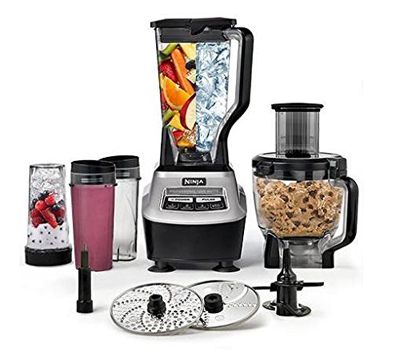
A good blender and processor are indispensable tools for anyone who knows how to eat clean. These two appliances are incredibly helpful for making smoothies and slicing veggies.
Better still is when you can get both tools in one handy appliance. I’m a strong proponent of the Ninja blender system. I love the functionality of it and use mine almost daily for my Keto coffee, among other daily tasks. So when I looked up Ninja blenders, I saw this combo machine that made me want to hippity-hop down to the store for one.
But between my mom and I, we have 5 blenders and 3 processors. So I couldn’t justify it, but I highly recommend it. Ninja is a very user-friendly appliance and is a real workhorse. And by the way, I was not paid to say any of this. I have no contact with the Ninja company. I just really do love their appliances and really do have the blender in my kitchen. If you’re interested but can’t find one locally, you can get it on Amazon here. (affiliate link)
Article from the Gracious Pantry® archives, originally posted on 4/23/15.
Dora – If you can provide me with a link or a list of ingredients, I can tell you. But I don’t know off the top of my head. Sorry.
Dora – I thought it was clean and have been using it myself. But now that I’m avoiding Agave, I don’t buy that any longer either since it’s agave sweetened.
Sarahlynn – I don’t know off hand. They have many breads and I don’t eat any of them. I just know that some of them are not clean because fellow clean eaters have informed me of that. You’d have to read the ingredients to be sure.
Japrescott – Yes. I am fully aware of GMO’s. I avoid them as best I can. I don’t use soy at all anymore and I try to always buy organic corn products.
Jennifer – Wonderful!
Anne – Thanks!
Michele – Thanks! I avoid them because my doctor told me that the carton variety causes hair loss.
How much do you spend each week on groceries for your family? This list is great, but also overwhelming to me!!
Kelly – It’s not meant to be all-inclusive. It’s just a general list. I’m not saying you should buy all of it. Nobody could afford that. It’s meant as just a simple guide. I spend about $125 a week on food for 5 people.
Kelly – Ya, the same thing happens to me. Sometimes you just have to take those big hits. It’s worth it in the long run when you save on paying for a doctors visit!
Hi!! I love your blog…we follow a paleo/clean eating diet at our house and as far as the flours go alternatives for gluten free would be almond flour and coconut flour. Almond flour is better than coconut for baking but coconut is better for breading if that makes sense… coconut flour for coating/breading chicken. Coconut flour requires almost 3x the amount of eggs to help bind as almond flour does. But both are delicious!!!
Kbmathias – Thanks so much! How long have you been following a paleo diet? What do you think of it so far? Is it sustainable?
Long story short… I was a pescatarian eating paleo type foods and keeping greek yogurt and some whole grains… the hubs was full paleo. Then I got pregnant and we lost TOTAL control the first trimester because I wanted to eat meat! Now we’ve calmed down and we are back to following more clean eating with paleo influence and its’ working better! Paleo is def. not something that is sustainable unless you are cheating on weekends… I find that adding in some whole grains once or twice a week for the hubs and adding them in for breakfast in the morning is a way better paleo way. It’s SO strict and I need a bit of grain and dairy to help get me through the day! Hubs can do it strict but I can’t, I get bored!
Kb – That’s kind of what I figured. Thanks for the honesty!
Dull – You’re welcome!
Erin – After doing some research, I found that it is highly processed. REAL, raw agave is clean. But that’s not the stuff we get at the store in most cases. At least from what I’ve read.
Dora – The bread is not clean, the bars are.
Hi Tiffany! I’ve read through so many of your recipes, and I haven’t tried any as of yet, but I wanted to tell you that your site is amazing! I’m doing my best to stick to a clean diet, but I’m only 22 and sometimes, it’s really hard to say no to things I love. I’m trying the blogging thing out as well. I thought it would be a great way to get me to really stick to my eating and exercising if I know there are people (possibly) watching me. I’m old-fashioned, so I’ve been sitting here writing out great sounding recipes for a couple hours now, and I keep coming back to this site. Thank you so much for what you do! It’s amazing to know that I can eat healthy and enjoy it. Maybe I can even get my boyfriend into it too! You’re such an inspiration, and I love all your dessert recipes! Unhealthy baking is what got me into a weight issue, so I really love reading clean recipes I can enjoy in moderation. And now that it’s Farmers Market season in Canada, I think I can get a lot of the things I’ve been unable to find so far!
Again, thank you so much for what you do! I really love your blog. When I start trying out your recipes, would it be okay if I shared the recipes there? I’d link back to you, of course!
Erin – 22 is the ideal time to be eating clean. The older you get, the harder it gets. Not that it’s impossible, but your body is most likely much more willing to do what you want it to do that it will be 10 years from now. So use that to your advantage.
Please read the copyright page (link at the top of your screen) for info on sharing my recipes.
Thanks! Glad you’re enjoying my site!
Amanda – Coffee is processed regardless of whether it’s caffeinated or not. But you would be hard pressed to get most clean eaters to give it up. While I understand what you are saying here, I choose decaf because the caffeine is so hard on my blood sugar. You should, of course, tailor this list to your own lifestyle and nutritional needs and ideals.
Liliana – That’s the company that makes ezekiel bread I believe. I’ll have to look for that. Thanks!
Tiffany – Thanks! Glad you found it useful.
Justine – Thank you and welcome!