
Oat Flour Cookies | Oat Flour Base Doughs, Smart Swaps, Gifting Tips
This post may contain affiliate links. If you make a purchase through links on this site, I may earn a commission.
Read my Privacy Policy.
At A Glance
Oat flour cookies let you keep the flavors you love while swapping in a soft, homey whole grain for all-purpose flour. In this guide, you’ll learn how oat flour behaves in classic cookie styles, how to use base doughs for chocolate chip, sugar cookies, oatmeal raisin, peanut butter, and ginger molasses, and how to tweak sweeteners and fats so your cookies still taste like Christmas, just made with better quality ingredients.

If you love traditional Christmas cookies but want to lean on whole grains or need to avoid wheat, oat flour is a great way to do that. It makes cookies taste extra homey and tender, with a naturally nutty flavor that fits right in with chocolate, spices, and brown-style sweeteners. This guide walks you through the base doughs for classic cookie flavors, shows you where oat flour shines, where it needs a little help from starch or almond flour, and how to store and gift your cookies so they still feel like the classics everyone expects in a Christmas cookie box.
Why Bake Oat Flour Cookies?
- Oat flour is a whole grain that makes cookies softer, more tender, and a little more rustic.
- It adds a mild, cozy flavor that fits well with chocolate, spices, and holiday flavors.
- It’s a great option for those who have issues with wheat or need to be gluten-free.
Note: Oat flour behaves differently from wheat flour, so you cannot swap it 1:1 in Grandma’s recipe. This guide uses recipes that are developed specifically for oat flour.
How This Oat Flour Cookie Guide Works
Each section gives you a “base dough” that tastes like a familiar traditional cookie. From that base, you can do simple variations: add chips, nuts, spices, or roll in sugar.
All base doughs are oat flour-based, sometimes with a small amount of starch or almond flour to support structure.
One great perk about these recipes is that they do not need to be refrigerated for hours before you can bake them.
A Quick Note About The Sweeteners For Oat Flour Cookies
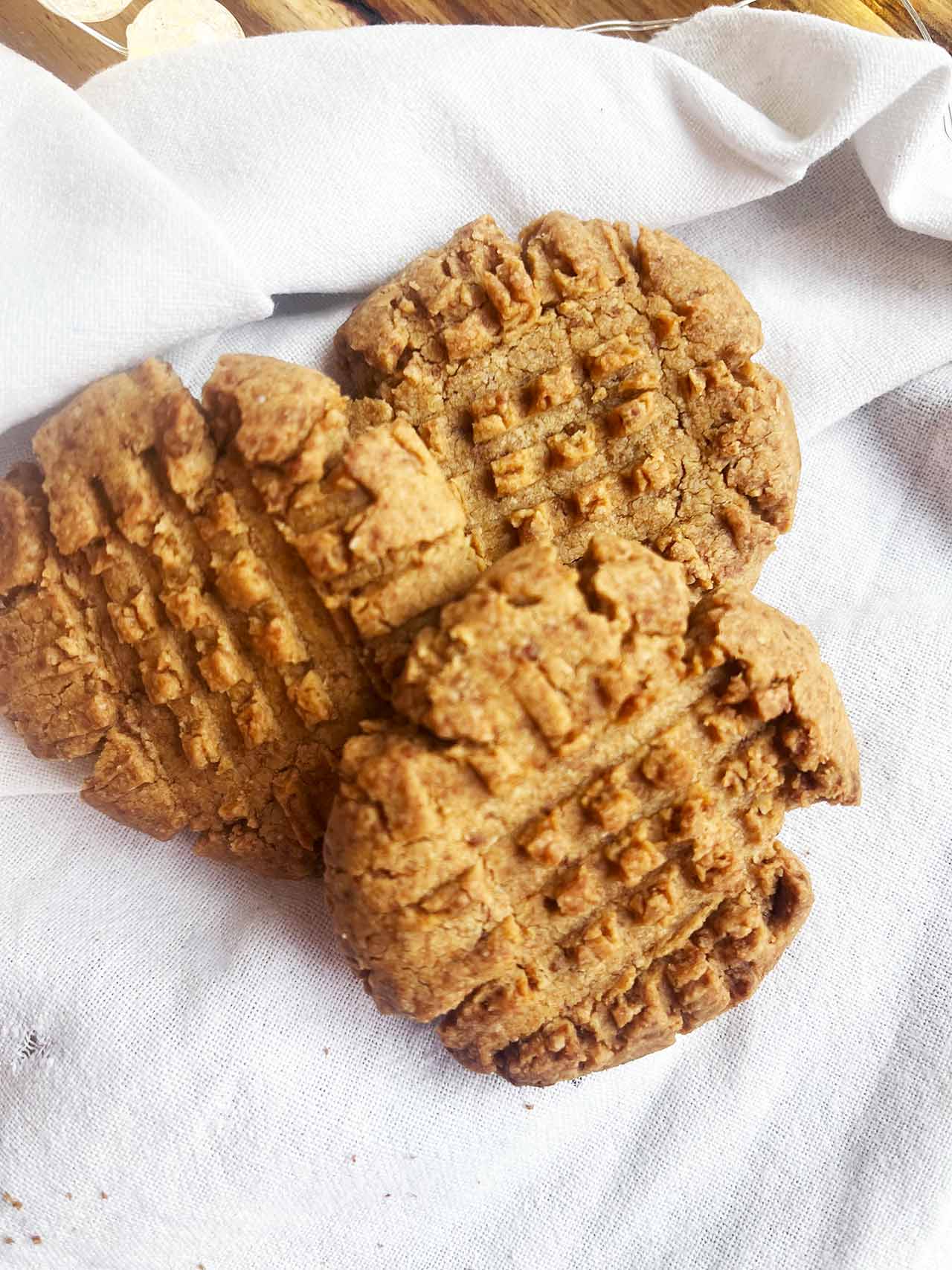
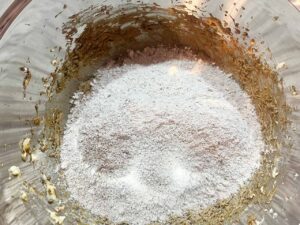
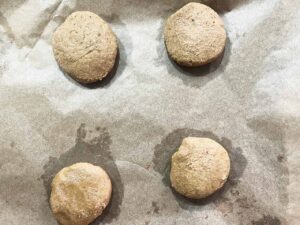
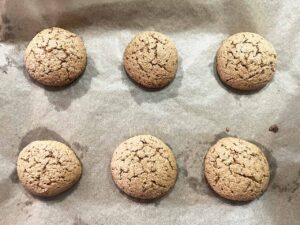
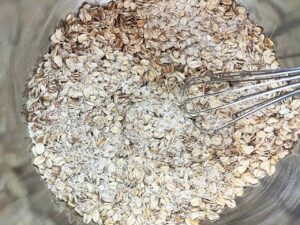
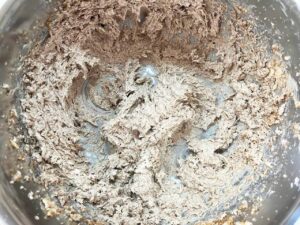
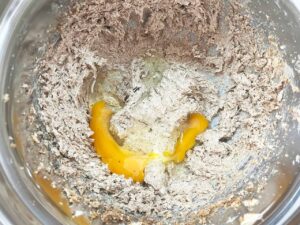
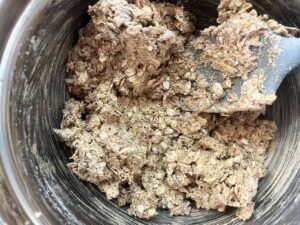
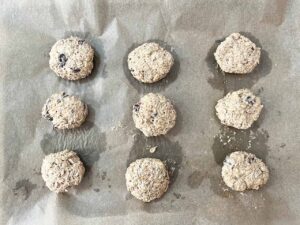
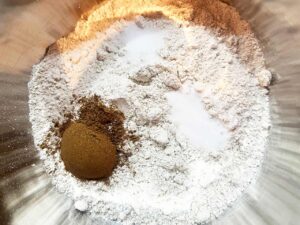
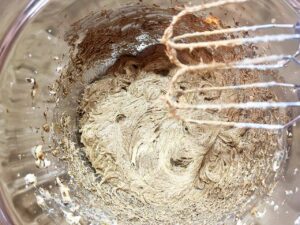
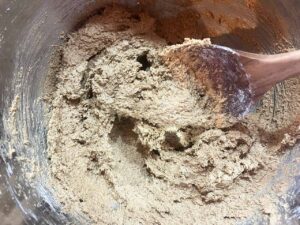
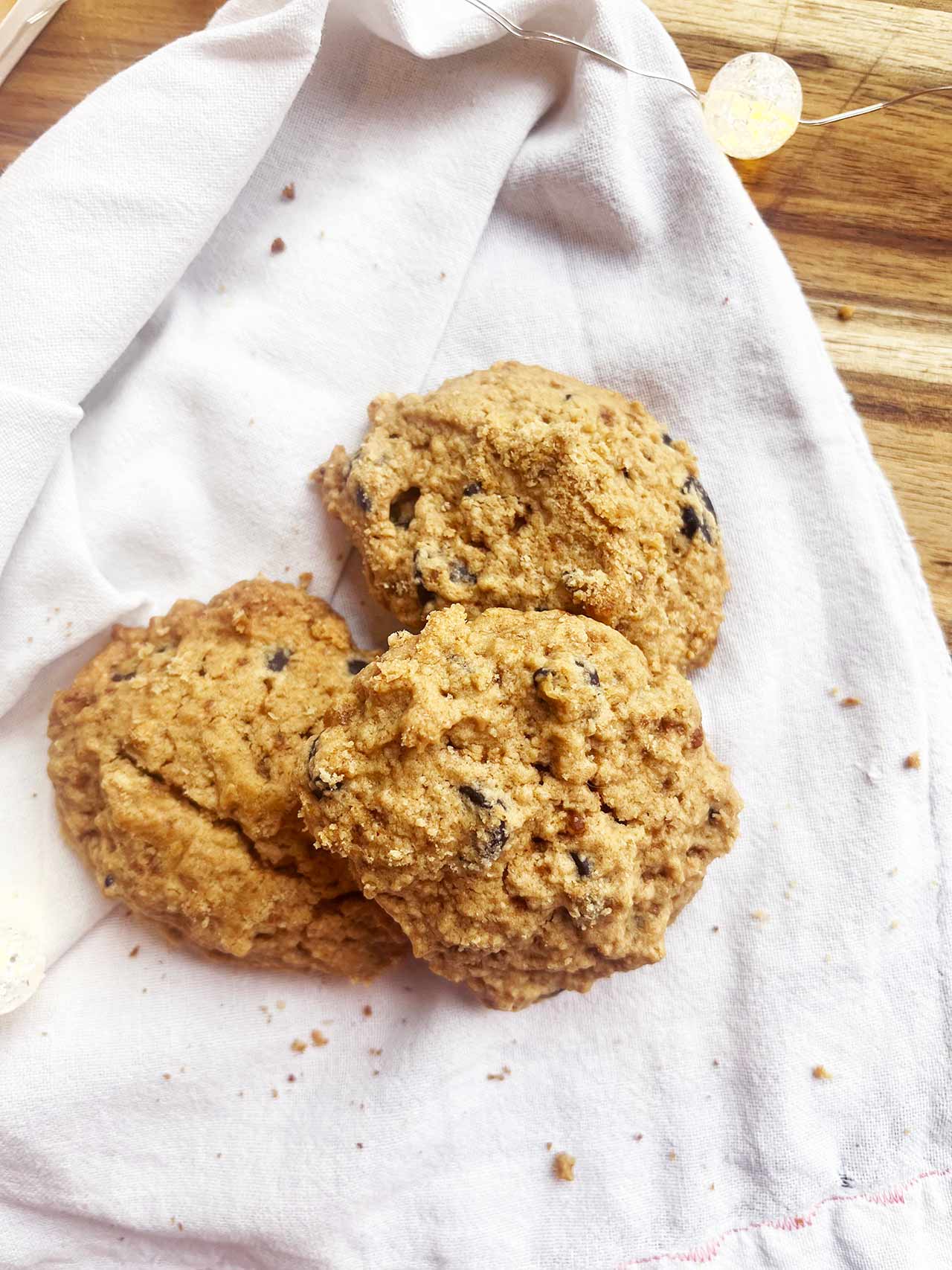
You will see xylitol in some of the step-by-step photos because that’s what works best for my blood sugar, but the recipes are written for coconut sugar or unrefined cane sugar (Sucanat). You can swap xylitol 1:1 by volume, and the cookies will still work, but they will look and feel a little different. Darker sweeteners = darker cookies. But the flavor is still wonderfully festive.
Coconut sugar, Sucanat, date sugar, and maple sugar give more color, a gentle toffee flavor, and that classic cookie chew most people expect.
Xylitol does not brown or caramelize like coconut sugar, so the cookies bake up paler with a sharper sweetness and a slightly more delicate, tender texture. In oat flour doughs, that can make them feel a bit more fragile, so chill the dough well and, if needed, add 1 to 2 teaspoons of extra milk. But only if you use a sweetener like Xylitol. If you used other sweeteners, no chilling is needed.
Please keep in mind that xylitol is extremely toxic for dogs and can cause digestive upset for some people if they eat several cookies at once, so if you use it, store xylitol cookies well out of reach of pets and serve them only to guests who are comfortable with sugar alcohols.
Xylitol is not a clean sweetener like the others mentioned. However, it is the only thing I’m able to bake with these days, so I wanted to give you a heads up on why and what the differences are.
Base Doughs For Classic Cookies
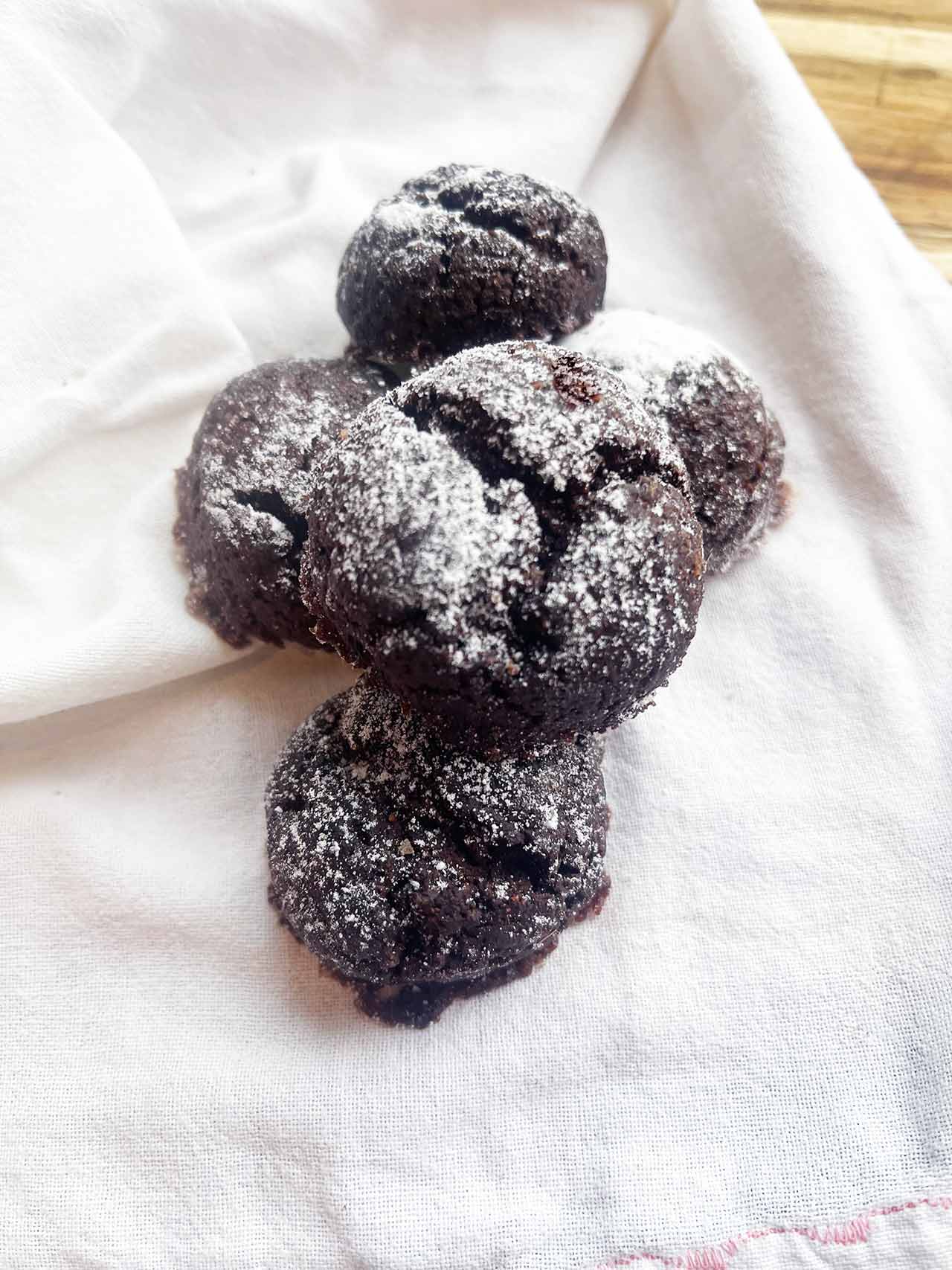
A “base dough” is a reliable, repeatable dough that can become several different cookies just by changing mix-ins, shapes, or simple toppings. The recipes below are your everyday classic bases.
1. Classic Chocolate Chip Cookies
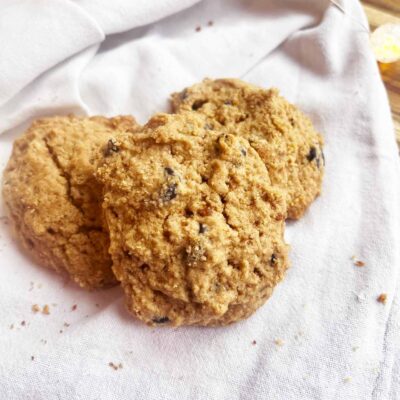
Use this base for classic chocolate chip cookies, walnut chocolate chip, or press it into a pan for easy cookie bars.
Oat Flour Chocolate Chip Cookies
Equipment
- 1 standard baking pan
Ingredients
Dry Ingredients
- 1¼ cups oat flour (gluten-free if needed)
- ½ tsp. baking soda (not powder)
- ¼ tsp. salt
- ¾ cup dark chocolate chips
Wet Ingredients
- ½ cup softened butter (or vegan butter, or virgin coconut oil)
- ¾ cup coconut sugar
- 1 large egg
- 2 tsp. pure vanilla extract (not flavoring)
- 1-2 tbsp. milk (any kind – optional if the dough seems too dry)
Instructions
- Preheat oven to 350°F (175°C) and line a baking pan with parchment paper.

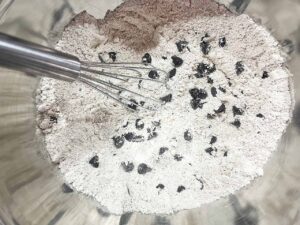
- Whisk together all the dry ingredients in a mixing bowl.

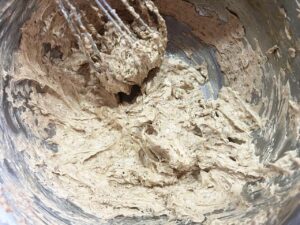
- Cream the butter and coconut sugar until fluffy.
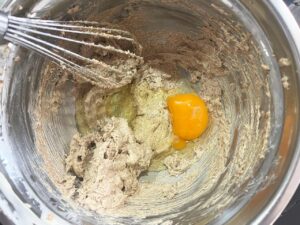
- Beat in the egg and vanilla.
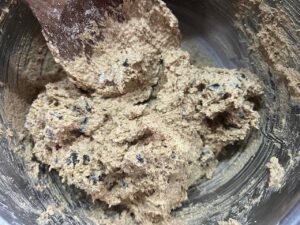
- Stir in dry ingredients.
- Scoop 1 tablespoon mounds and bake for about 12-15 minutes, until the edges are just set and the centers look soft. (For a more traditional shape, you can roll and flatten the dough.)
- Once baked, cool these completely on a cooling rack before removing from the parchment paper.Store in the fridge in an air-tight container.
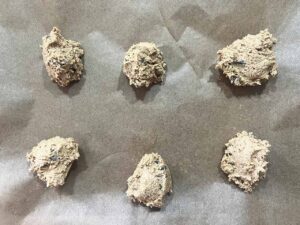
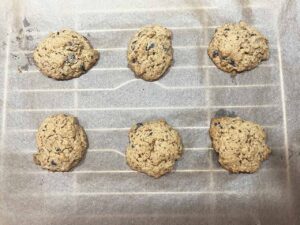
Notes
Nutrition
2. Soft “Sugar” Cookies
Use this base for sugar cookies, snickerdoodles (roll in cinnamon sugar), or citrus-glazed holiday sugar cookies. These will be soft and a little more rustic in color from the coconut sugar.
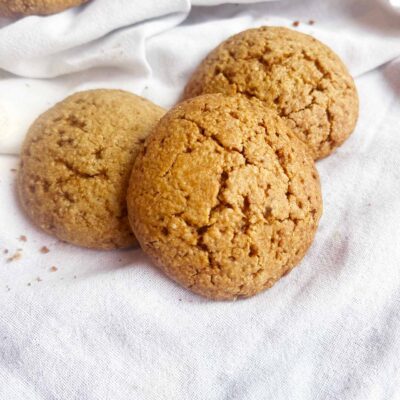
Oat Flour Sugar Cookies
Equipment
- 1 standard baking pan
Ingredients
Dry Ingredients
- 2 cups oat flour
- ½ tsp. baking powder (not soda)
- ¼ tsp. salt
- ¾ cup coconut sugar (or maple sugar)
Wet Ingredients
- ½ cup softened butter (or virgin coconut oil)
- 1 large egg
- 1 large egg yolk
- 2 tsp. pure vanilla extract
- 2 tbsp. milk (any kind)
Instructions
- Preheat oven to 350°F (175°C) and line a baking pan with parchment paper.
- Cream the fat and sugar until light and fluffy using an electric mixer. The beat in egg, yolk, vanilla, and milk.
- Stir in the dry ingredients.
- Scoop 1 tablespoon mounds and bake for about 12-15 minutes, until the edges are just set and the centers look soft. You can roll these by hand and flatten the balls slightly to get a better shape in your finished cookies.
- Once baked, cool these completely on a cooling rack before removing from the parchment paper.Store in the fridge in an air-tight container.
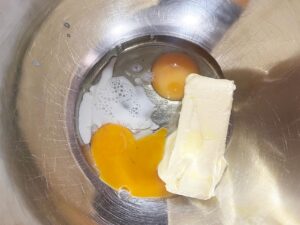
Notes
Nutrition
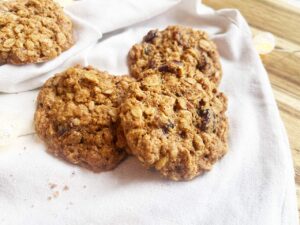
3. Oatmeal Raisin Cookies
Use this base for classic oatmeal raisin, oatmeal chocolate chip, or cranberry oatmeal.
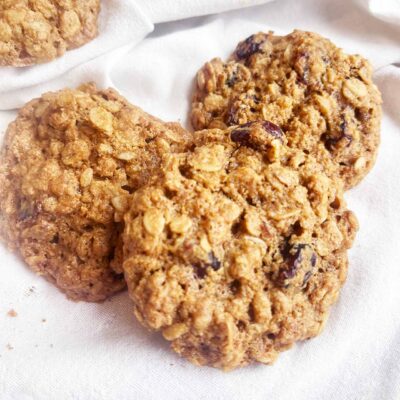
Oat Flour Oatmeal Raisin Cookies
Equipment
- 1 standard baking pan
Ingredients
Dry Ingredients
- 1 cup oat flour
- 1½ cups rolled oats
- ½ tsp. baking soda (not powder)
- 1 tsp. ground cinnamon
- ¼ tsp. salt
Wet Ingredients
- ½ cup softened butter (or coconut oil)
- ¾ cup coconut sugar
- 1 large egg
- 2 tsp. pure vanilla extract
- ¾ cup raisins
Instructions
- Preheat oven to 350°F (175°C) and line a baking pan with parchment paper.
- Add all the dry ingredients to a mixing bowl and whisk to combine.
- Cream the fat and sugar together until fluffy.
- Beat in egg and vanilla.
- Stir in the dry ingredients, then fold in the raisins or other additions.
- Scoop 1 tablespoon mounds and bake for about 12-15 minutes, until the edges are just set and the centers look soft. You can also roll the balls with your hands and then flatten them slightly for a better shape.
- Once baked, cool these completely on a cooling rack before removing from the parchment paper.Store in the fridge in an air-tight container.
Notes
Nutrition
4. Peanut Butter Cookies
Use this base for classic fork-mark peanut butter cookies, peanut butter blossoms, peanut butter chocolate chip cookies, or peanut butter and jam thumbprints.
Oat Flour Peanut Butter Cookies
Equipment
- 1 standard sheet pan
Ingredients
Dry Ingredients
- ½ cup oat flour (gluten-free if needed)
- ½ tsp. baking soda (not powder)
- ¼ tsp. salt
Wet Ingredients
- 1⅓ cup natural, creamy peanut butter (no sugar added)
- ¾ cup coconut sugar
- 1 large egg
- 1 tsp. pure vanilla extract
Instructions
- Preheat oven to 350°F (175°C) and line a baking pan with parchment paper.
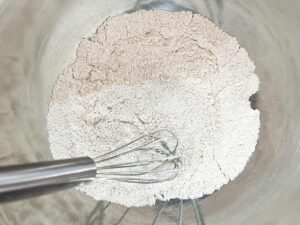
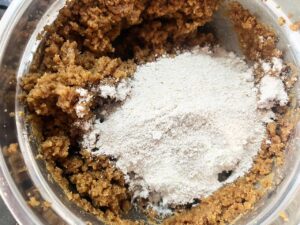
- Add all the dry ingredients to a mixing bowl and whisk together.
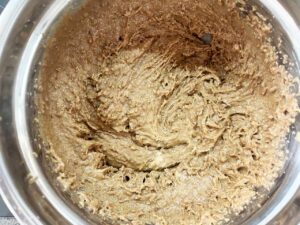
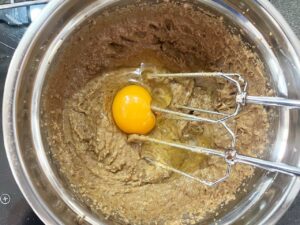
- Using an electric hand mixer, mix the peanut butter and coconut sugar together until thick and smooth.
- Beat in egg and vanilla.
- Stir in the dry ingredients.
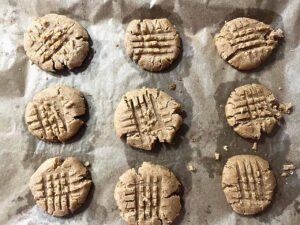
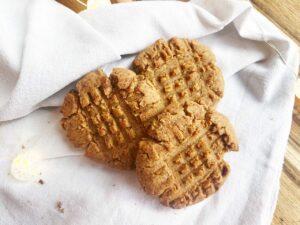
- Scoop 1 tablespoon mounds into your hands and roll into balls. Set them on the pan and press with a fork in both directions to get a criss-cross impressiong on the top. Bake for about 12-15 minutes, until the edges are just set and the centers look soft.
- Once baked, cool these completely on a cooling rack before removing from the parchment paper. Store in the fridge in an air-tight container.
Notes
Nutrition
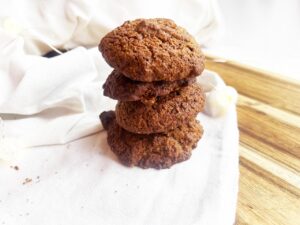
5. Soft Ginger Molasses Cookies
Use this base for soft ginger molasses cookies, larger bakery-style ginger cookies, or orange-ginger cookies (add zest and extract).
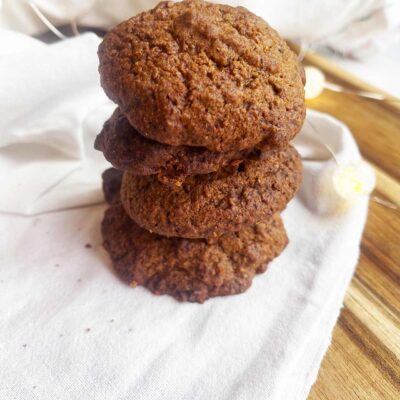
Oat Flour Ginger Molasses Cookies
Equipment
- 1 standard sheet pan
Ingredients
Dry Ingredients
- 1¾ cups oat flour (gluten-free if needed)
- 1 tsp. baking soda (not powder)
- ¼ tsp. salt
- 2 tsp. ground ginger
- 1 tsp. ground cinnamon
- ⅛ tsp. ground cloves
Wet Ingredients
- ½ cup softened butter (or melted coconut oil)
- ½ cup coconut sugar
- ¼ cup molasses
- 1 large egg
- 1 tsp. pure vanilla extract
- 2 tbsp. coconut sugar
Instructions
- Preheat oven to 350°F (175°C) and line a baking pan with parchment paper.
- In a medium mixing bowl, whisk the dry ingredients together.
- In another bowl, whisk the wet ingredients until smooth and fluffy.
- Stir the dry ingredients into the wet mixture.
- Scoop 1 tablespoon mounds and bake for about 12-15 minutes, until the edges are just set and the centers look soft. Once baked, cool these completely on a cooling rack before removing from the parchment paper.Store in the fridge in an air-tight container.
Notes
Nutrition
6. Chocolate Crinkle Cookies
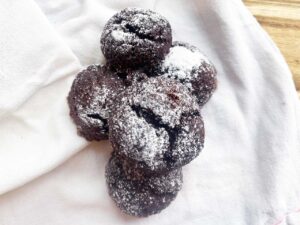
Use this base for classic chocolate crinkles or peppermint crinkles (peppermint extract and crushed candy canes, if you don’t mind using them).
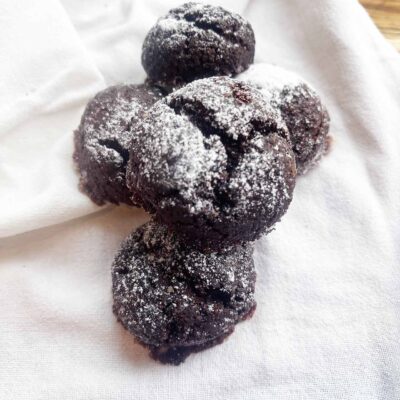
Oat Flour Chocolate Crinkle Cookies
Equipment
- 1 standard sheet pan
Ingredients
Dry Ingredients
- 1 cup oat flour (gluten-free if needed)
- 2 tbsp. arrowroot powder (or tapioca starch)
- ½ cup unsweetened cocoa powder
- 1 tsp. baking powder (not soda)
- ¼ tsp. salt
Wet Ingredients
- 2 large eggs
- ¾ cup coconut sugar
- ¼ cup melted virgin coconut oil (or softened butter)
- 2 tsp. pure vanilla extract
Topping
- ½ cup powdered granular sweetener
Instructions
- Preheat oven to 350°F (175°C) and line a baking pan with parchment paper.
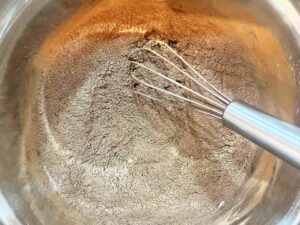
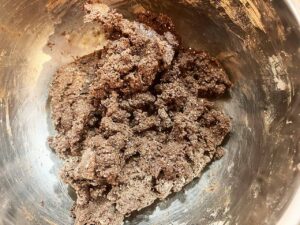
- Whisk the dry ingredients together in a mixing bowl until combined.
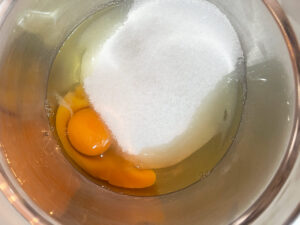
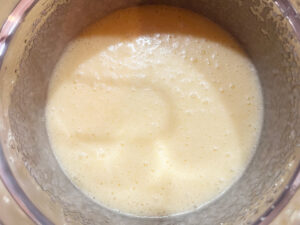
- In another bowl, whisk the eggs and coconut sugar for about 1 minute until slightly thickened and fluffy.
- Whisk in oil and vanilla.
- Add the wet ingredients to the wet ingredients and stir until a thick, sticky dough forms.
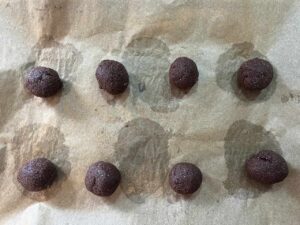
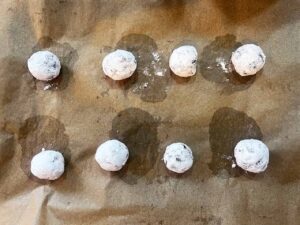
- Scoop 1 tablespoon portions of dough, and roll quickly into balls.
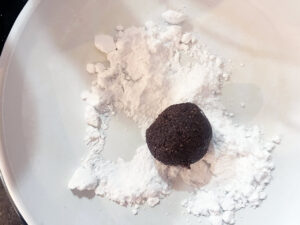
- Place powdered coconut sugar in one shallow bowl and roll each ball generously in powdered coconut sugar.
- Arrange on the baking sheet with space between them.
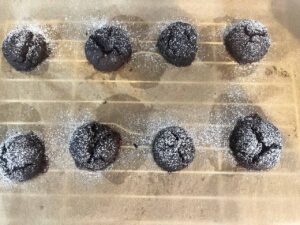
- Bake 10 to 12 minutes. You should see visible cracks.
- Cool these completely on a cooling rack before removing from the parchment paper. Sprinkle them with a bit of extra sweetener for a nice finish.
- Store in the fridge in an air-tight container.

Notes
Nutrition
Smart Swaps That Keep Texture
Here’s how to swap out different ingredients in your favorite cookie recipes.
Flour Swaps
These flour swaps are for the whole flours used here, like oat flour, whole wheat pastry, or white whole wheat, almond flour, and gluten-free 1:1 blends. Use this table to see which flours work best for cut-outs, shortbread, bars, and drop cookies, and how they change texture. It is not a conversion guide for turning white all-purpose flour recipes into whole grain; for family recipes written with white flour, you will usually get the best results by following that recipe as written or by starting with the base doughs in this guide instead.
Flour |
Best for |
Swap notes |
Texture result |
|
White whole-wheat or whole-wheat pastry |
Cut-outs, shortbread |
Follow brand guidance and chill the dough |
Classic bite with mild wheat note |
|
Almond flour |
Shortbread, thumbprints |
Works best in recipes designed for it or with small starch boosts |
Buttery, delicate crumb |
|
Oat flour |
Bars, drop cookies |
Replace up to half of the flour in non-yeasted bakes for tenderness |
Chewy, homey, mild sweetness |
|
Gluten-free 1:1 |
Most styles |
Follow brand liquid guidance and chill the dough |
Close to classic if the dough is well chilled |
Sweetener Swaps
These sweetener swaps stay in the clean-eating lane. They are meant to help you trade between less refined options like coconut sugar, unrefined cane sugar, panela, Sucanat, maple sugar, maple syrup, date sugar, date syrup, and honey while keeping the cookies working. If you choose to use regular white or brown sugar at home, the same volumes usually bake, but your cookies will look lighter, spread a bit differently, and lose some of that deeper caramel flavor.
Sweetener |
Use this much |
Flavor notes |
Best styles |
|
Coconut sugar / unrefined cane sugar/panela |
1:1 by volume in any recipe written for a dry granulated sweetener in this guide |
Warm caramel, toffee-like, gives a darker color and deeper flavor |
Most classics: chocolate chip, oatmeal, gingerbread, crinkles, peanut butter cookies |
|
Maple sugar |
1:1 by volume in place of other dry granulated sweeteners |
Light maple flavor, keeps dough drier, helps with crisp edges |
Sugar cookies, cutouts, and shortbread when you want a paler color and a more delicate crumb |
|
Maple syrup |
About 3 tbsp per ¼ cup dry sweetener, reduce other liquid in the recipe by 1 to 2 tbsp |
Strong maple flavor, adds moisture and chew, can make edges softer |
Bars, soft drop cookies, rustic cookies that do not need sharp edges or intricate shapes |
|
Date sugar |
1:1 by volume in sturdy doughs |
Fruity caramel flavor, slightly drier result, and a more speckled look |
Shortbread, biscotti, thumbprints, bar bases, any cookie that can be a little crumbly |
|
Date syrup |
About 3 tbsp per ¼ cup dry sweetener, reduce other liquid in the recipe by 1 to 2 tbsp |
Deep caramel, mild fruit notes, adds moisture and chew, similar to maple syrup |
Chewy bars, soft cookies, skillet cookies, where a bit of extra stickiness is okay |
|
Sucanat (dehydrated cane juice) |
1:1 by volume in place of other dry granulated sweeteners in this guide |
Deep caramel, “old-fashioned” brown sugar vibe, slightly stronger flavor than coconut sugar |
Most classics: chocolate chip, oatmeal, gingerbread, crinkles, peanut butter cookies, anywhere you want a nostalgic flavor |
|
Honey |
About 3 tbsp per ¼ cup dry sweetener, reduce other liquid in the recipe by 1 to 2 tbsp |
Floral, pronounced sweetness, adds moisture, browns quickly, and can make cookies softer and a bit more spread-y |
Chewy bars, soft drop cookies, skillet cookies, rustic cookies that do not need sharp edges or precise cut-out shapes |
Quick note on reducing sugar: cutting sugar changes the spread, browning, and tenderness. Small reductions can work in sturdy cookies, but expect texture shifts.
Notes On Fats
- Coconut oil suits shortbread-style and simple butter cookies.
- Butter gives the most classic flavor and a predictable spread; even plant-based butter works well for these recipes.
- Neutral oils can work in crinkles and bars.
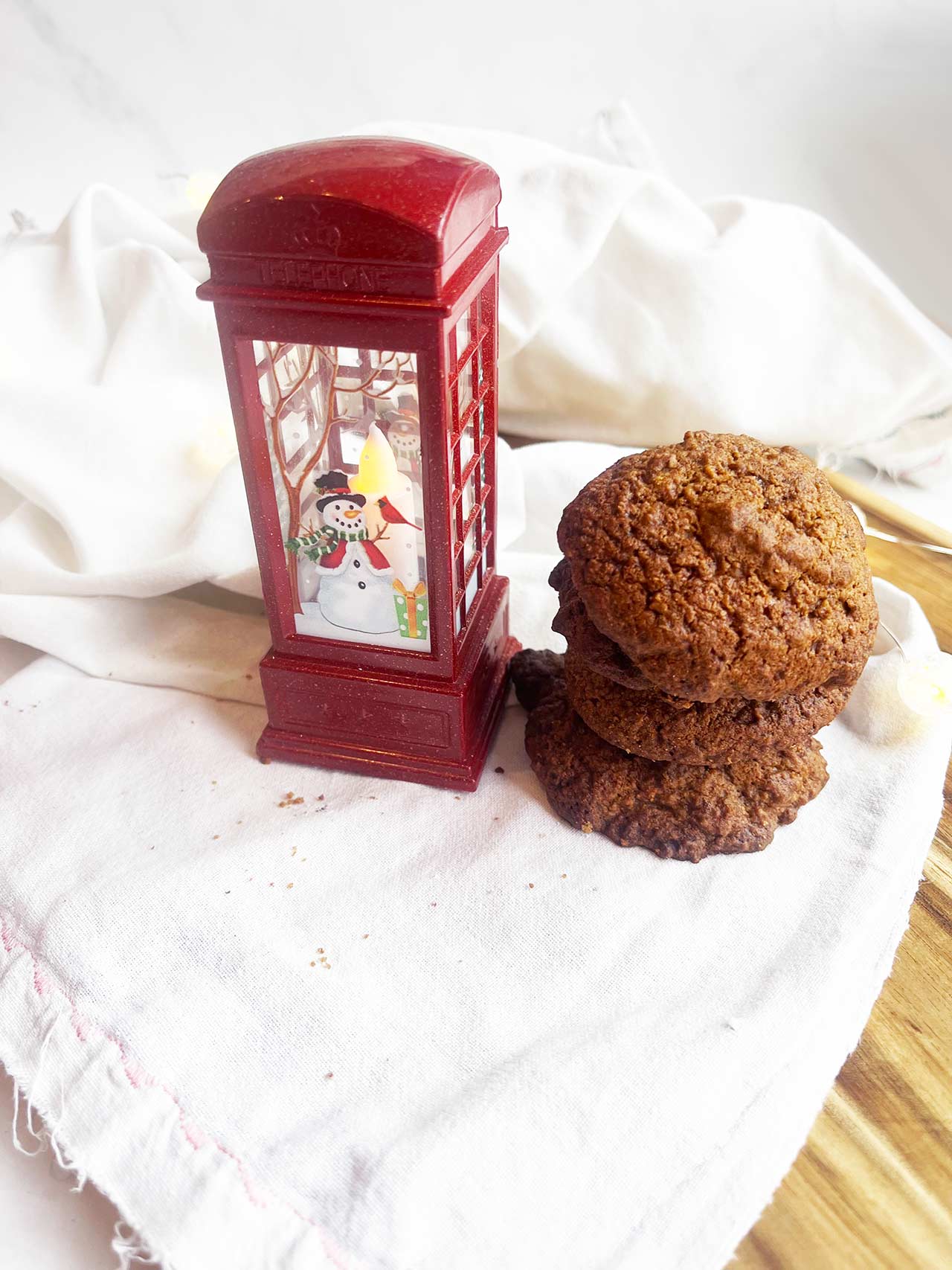
Build Your Cookie Box
Here are some things to keep in mind when building your cookie box:
- Balance shapes, colors, and textures
- Include something bright like citrus or peppermint
- Plan 4 to 6 pieces per person for a small box, 10 to 12 for a gift box
- Simple decorations: sanding sugar, chocolate drizzle, crushed candy canes
Make Ahead And Storage
Quality window vs safe storage: most cookies taste best within 3 to 7 days served at room temperature, but properly stored cookies are generally safe up to 2 months refrigerated. For longer storage, freeze baked cookies or dough. I’m adding additional cookies here to be more inclusive of the variety of cookies available this time of year.
Cookie style |
Best quality at room temp |
Refrigerate |
Freeze |
How to refresh |
|
Shortbread |
5 to 7 days |
Up to 10 days |
2 to 3 months |
Recrisp 300°F for 4 to 6 minutes |
|
Gingerbread |
5 to 7 days |
Up to 10 days |
2 to 3 months |
Soften with a slice of apple in a sealed tin overnight |
|
Crinkles |
3 to 4 days |
About 1 week |
Up to 2 months |
Warm 300°F 3 to 5 minutes for surface crackle |
|
Thumbprints |
3 to 4 days |
About 1 week |
Up to 2 months |
Add fresh jam after thaw if needed |
|
Biscotti |
1 to 2 weeks |
3 weeks |
3 months |
Recrisp 300°F 5 minutes |
Freezer workflow that saves time: scoop dough onto parchment, freeze solid, then bag and bake from frozen as needed.
Cookie Boxes And Gifting With Oat Flour Cookies
- For long-distance shipping, you should choose sturdier cookies.
- Oat flour cookies are wonderful in hand-delivered tins and trays.
- Because they are more tender and sometimes crumbly, they are not ideal for long-distance shipping.
For the best packing results:
- Make smaller cookies, packed shallow and snugly, for local gifting.
- Using my printable Traditional Christmas Cookie Box Checklist to plan a mix of oat flour cookies and any sturdier cookies you’d want to add.
Troubleshooting
- Cookies spread too much: weigh flour, and reduce sugar a touch. If the dough is very soft, chill the dough, and use parchment-lined light-colored pans.
- Dry or crumbly: add 1 to 2 teaspoons of milk and avoid overbaking. Cool completely.
- Pale bottoms: bake on the middle rack and bake an extra minute or two if needed.
- Dough is too sticky to shape: Chill the dough. Use slightly damp or oiled hands.
FAQs
How far ahead can I bake?
For the best quality, bake within 3 to 7 days of gifting.
Which cookies freeze best?
Most cookies and doughs freeze well. Shape or scoop dough, freeze on parchment, then bag. Bake from frozen and add a minute or two if needed.
Can I use these recipes to convert my family’s white flour cookies?
Sadly, no. These recipes are developed specifically for oat flour. Converting white flour family recipes is a separate project. It’s best to use the base doughs here as a starting point instead of guessing.
Do these oat flour cookies taste like “healthy” cookies?
Do they taste like diet cookies? No. Not at all. They all have a homey texture thanks to the whole grain flour and natural sweeteners, but the flavors and textures are very warm and comforting.
Are these cookies gluten-free?
Oat flour is naturally gluten-free, but you should use certified gluten-free oat flour if needed due to cross-contamination. Some recipes may still include ingredients that are not suitable for strict GF diets. It’s critical to double-check the ingredients you purchase at the store.
Can I make my own oat flour?
Yes, with a high-speed blender, blend rolled oats until very fine, then measure.
Can I ship these oat flour cookies?
No. These are best for local gifting; for long-distance shipping, I would consider other cookies. These will crumble from the shaking around they will endure en route.
Download: Traditional Cookie Box Checklist
Get your free, classic Christmas cookies checklist here.
No email signup required!