
Easy Artichoke Pesto For Pasta, Sandwiches, And More
This post may contain affiliate links. If you make a purchase through links on this site, I may earn a commission.
Read my Privacy Policy.
I love this artichoke pesto because it adds so much flavor to so many different types of dishes. You can enjoy it on your morning toast, mixed into pasta, or used as a dip. No matter how you use it, it’s delicious.
Love pesto? You might also enjoy my basil pesto recipe, my
cilantro pesto, or my roasted red pepper pesto. Try them all!

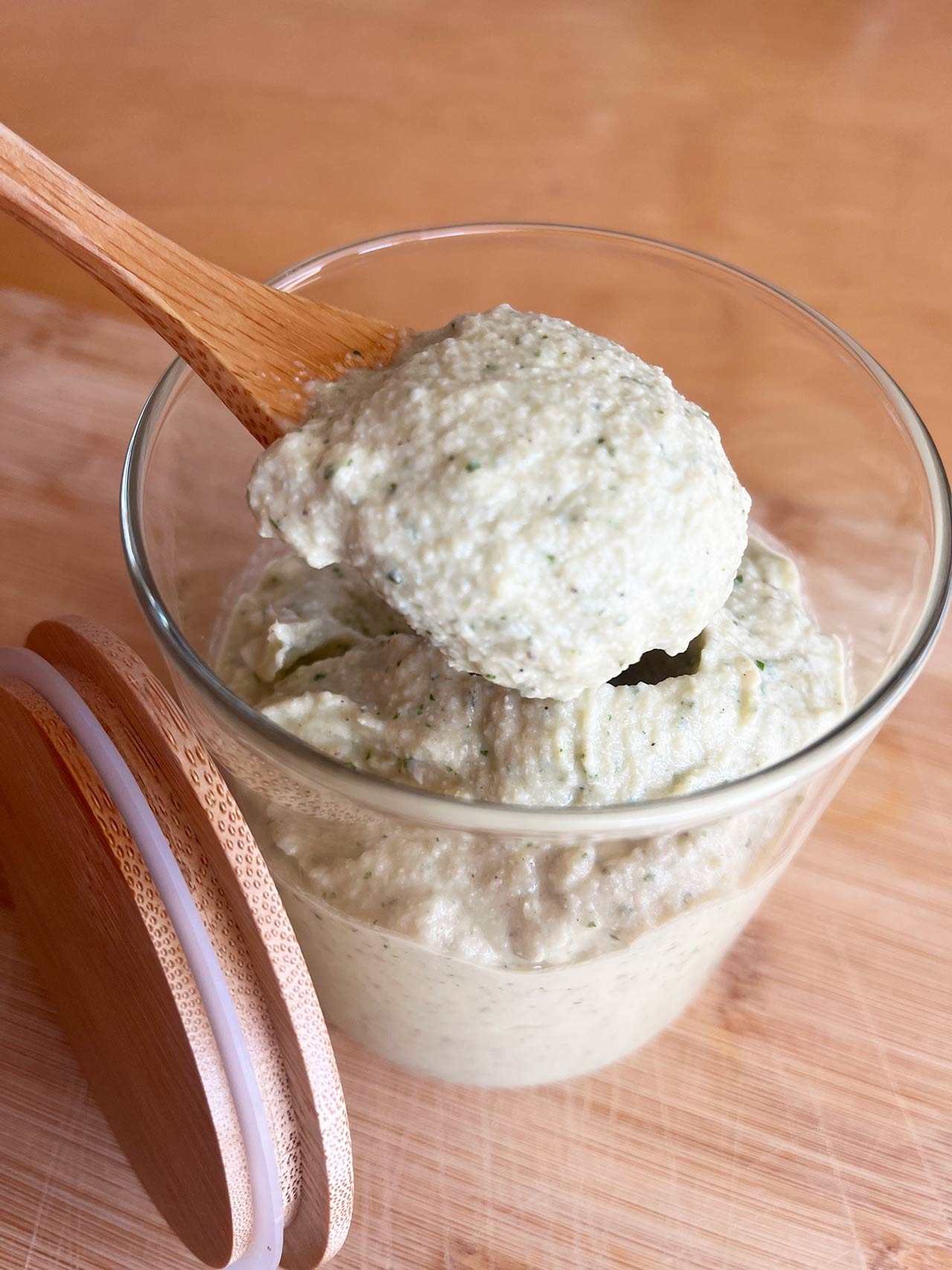
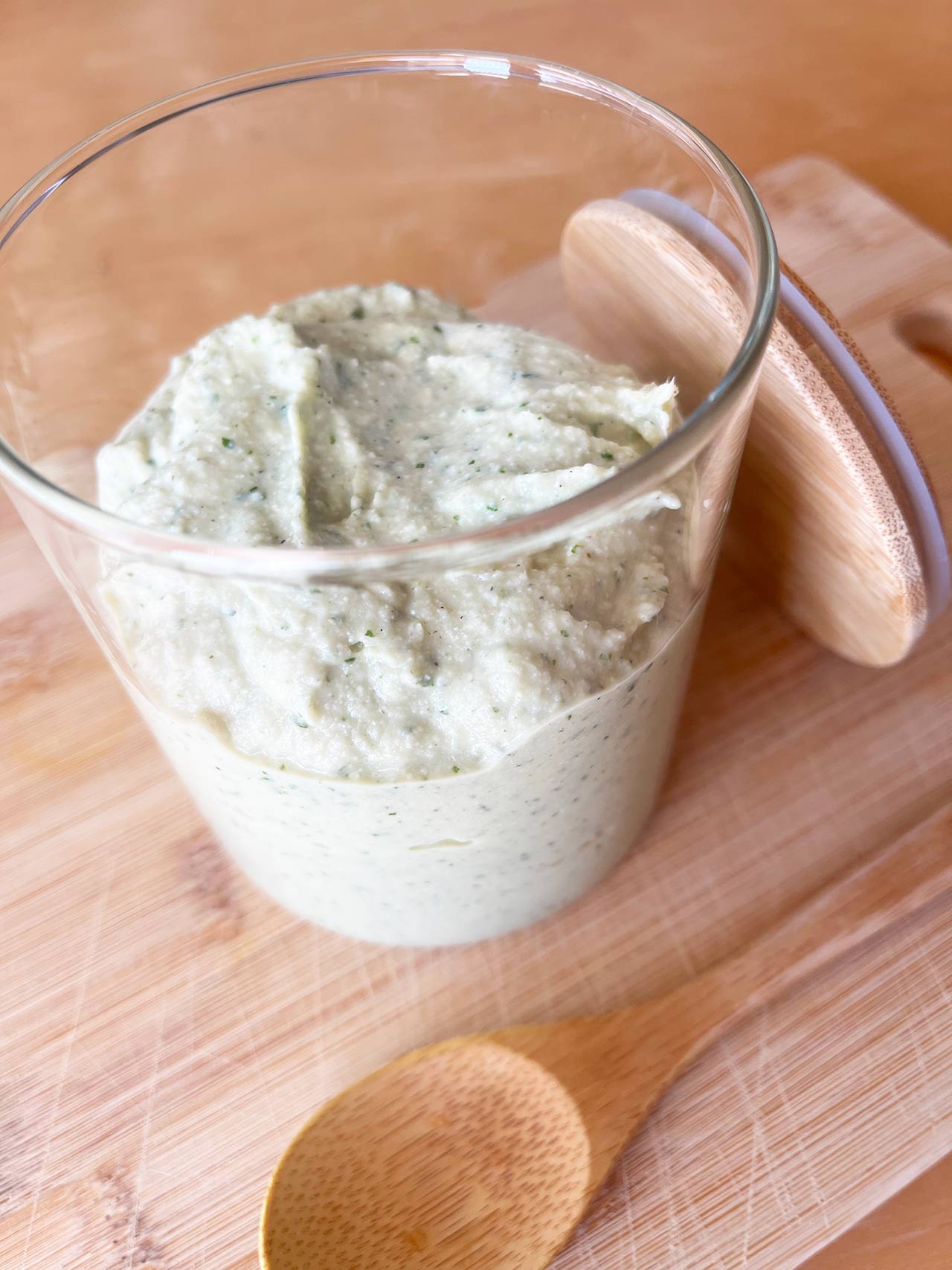
This artichoke pesto is a dairy-free pesto that is perfect for artichoke lovers. It’s a clean eating recipe, made from scratch in minutes, and is a great way to add extra flavor to your meal rotation. This healthy pesto is also vegan, gluten-free, and Paleo-friendly.
Why You’ll Love This Artichoke Pesto
- It’s a great sauce or dip for many dishes.
- It’s creamy without the addition of cheese or dairy.
- It’s made with pantry staples.
- It works on pasta, sandwiches, veggies, and more.
- It’s quick, easy, and beginner-friendly.
Pro Recipe Tips
- Soak the cashews for extra creaminess, especially if you’re not using a high-speed blender.
- Use raw garlic for a stronger garlic flavor, or roasted garlic for a more mellow flavor.
- Add nutritional yeast if you want a cheesy flavor that is still dairy-free.
- If you need this to be nut-free, you can substitute the cashews with sunflower seeds.
- Color hack: Add a handful of spinach or parsley to keep it green.
- Make sure you pack the measuring cup tightly with the basil leaves for a good, strong, basil flavor.
Serving Ideas
- Toss with pasta or zucchini noodles
- Spread on sandwiches or wraps
- Spoon over grilled veggies or chicken
- Use as a dip for crackers
- Stir into cooked quinoa or grains
FAQs
Can I Use Frozen Artichokes?
If you buy artichoke hearts and let them thaw before making this, then yes. You can use those.
What Nuts Work Best?
The best will be soaked cashews for overall creaminess. But you can also use pine nuts if you prefer.
Can I Make It Oil-Free?
Technically, yes. But the texture will be a little odd and the flavor won’t be as rich.
What You’ll Need To Make Artichoke Pesto
Canned or jarred artichoke hearts – Packed in water, not oil.
Fresh basil leaves
Raw cashews – Or almonds, or pine nuts.
Fresh lemon juice
Fresh lemon zest
Extra virgin olive oil – Or any light-flavored oil you prefer.
Garlic
Salt
Ground black pepper
Water – For thinning, if needed.
How To Make Artichoke Pesto (Step-By-Step)
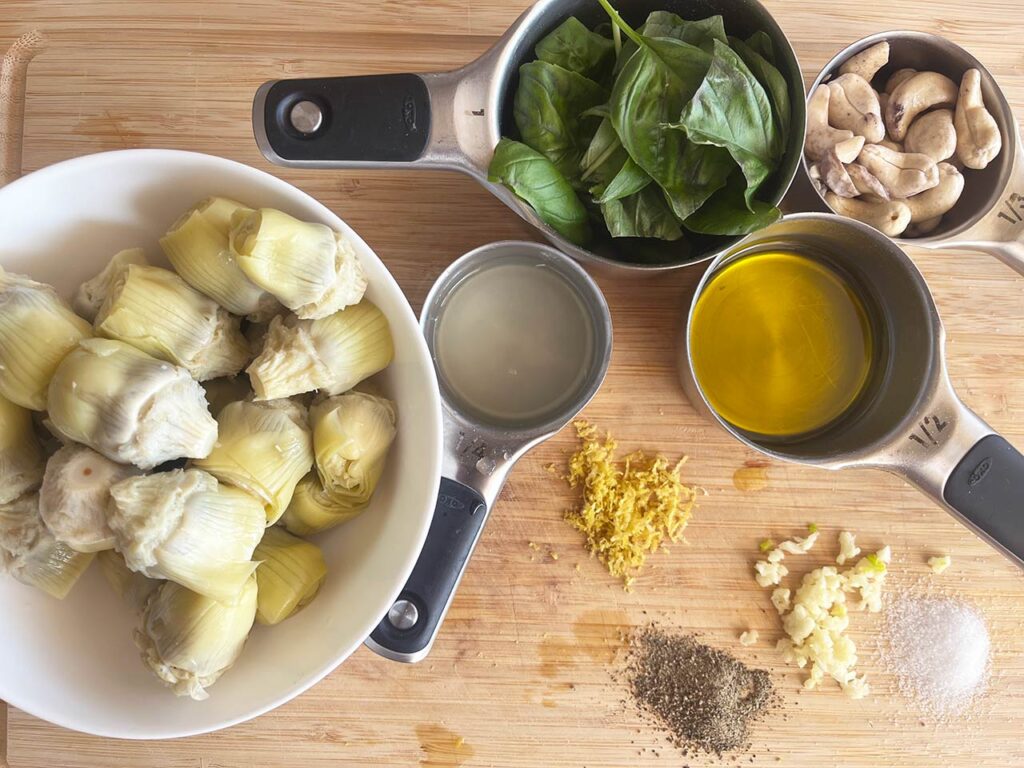
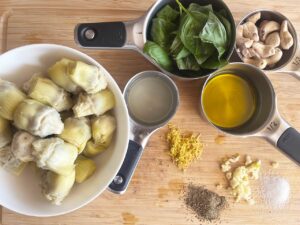
Gather, measure, and prep all ingredients as indicated.
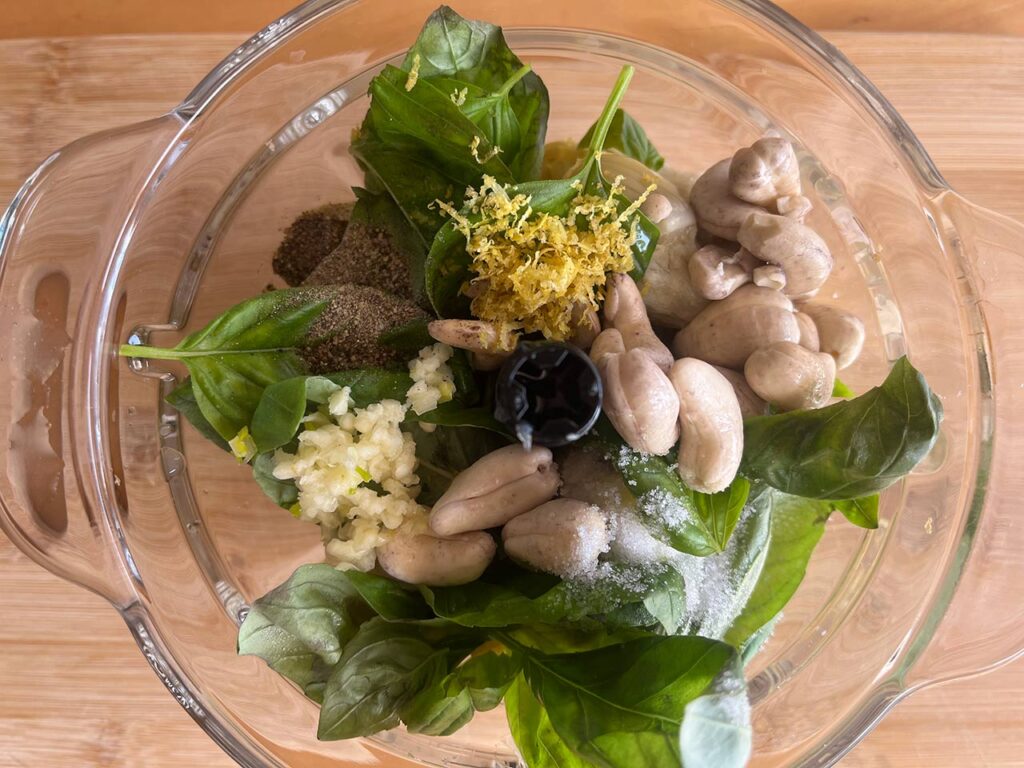
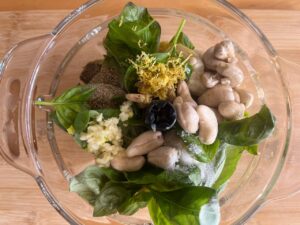
Add the artichoke hearts, basil, cashews or pine nuts, lemon juice, zest, garlic, salt, and pepper to a food processor or blender.
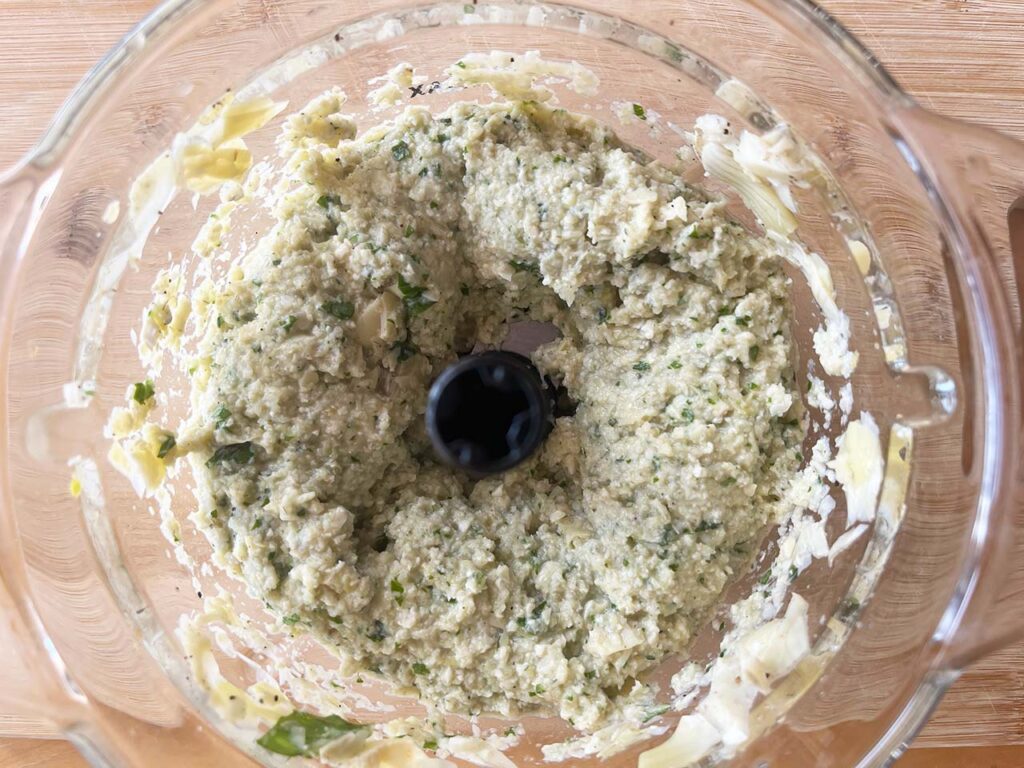
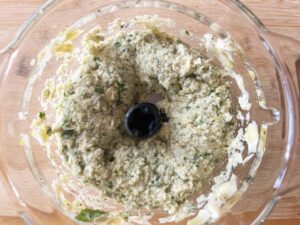
Pulse until finely chopped.
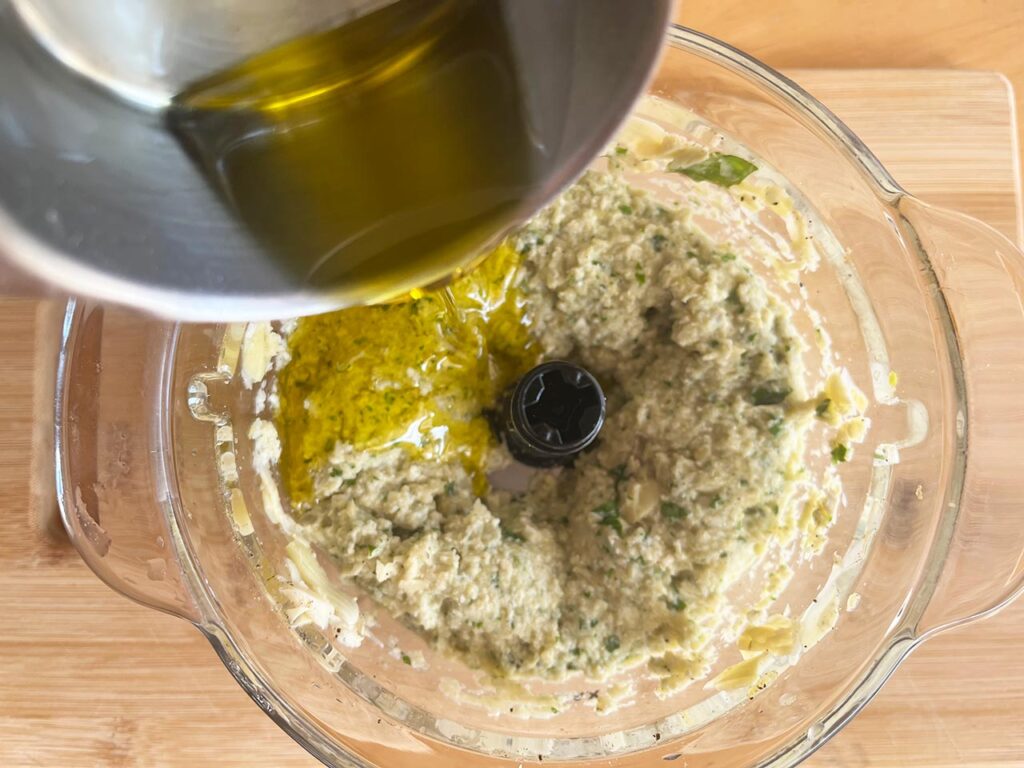
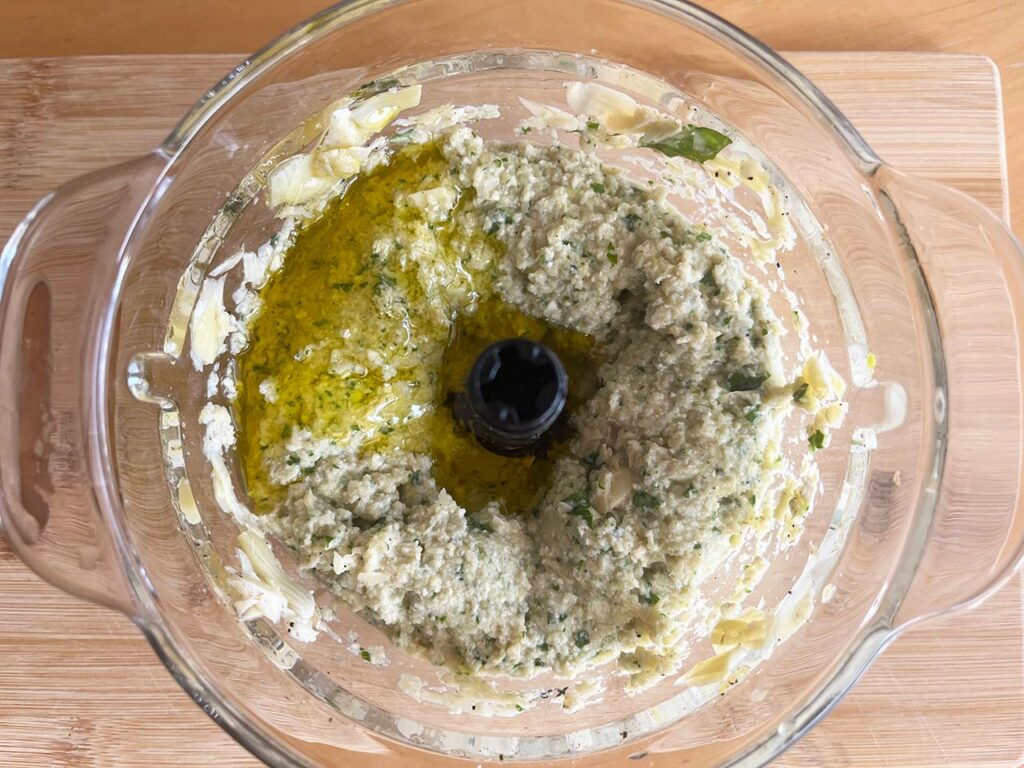
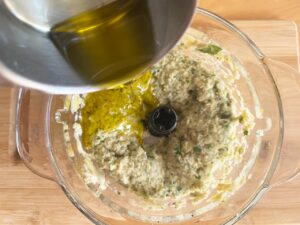
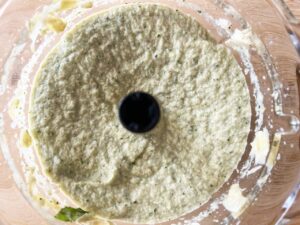
Slowly stream in the olive oil while processing until smooth. If it’s too thick, add 1 tablespoon of water at a time until the desired consistency is reached.
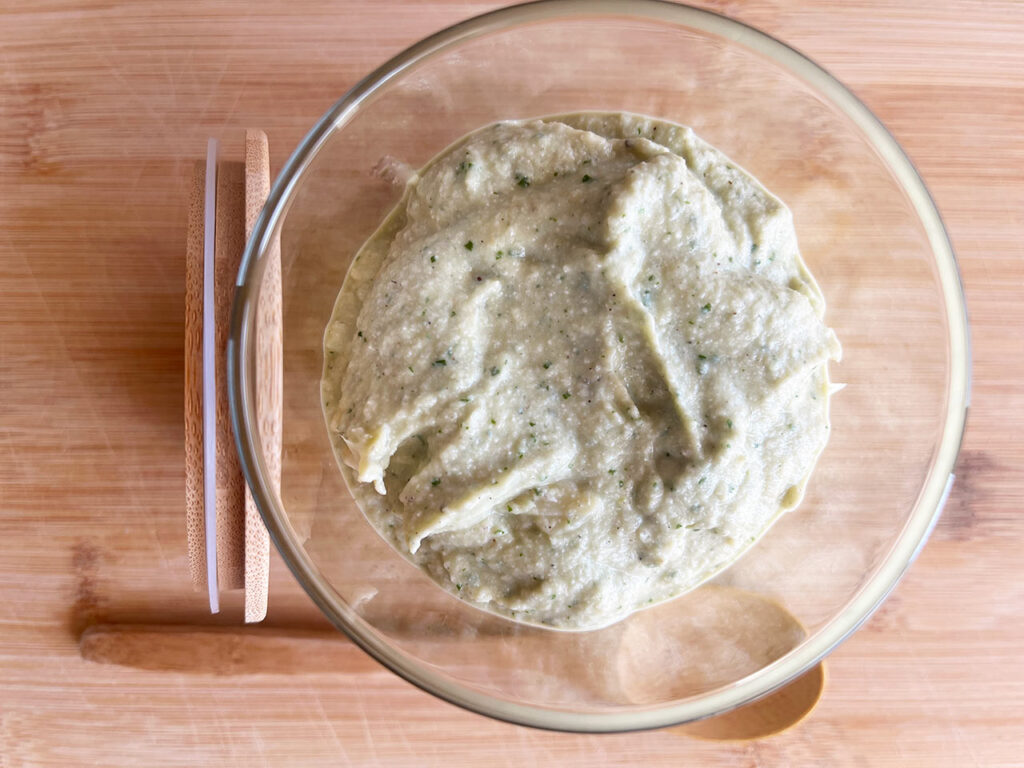
Taste and adjust seasonings (salt, lemon, or garlic) as needed.
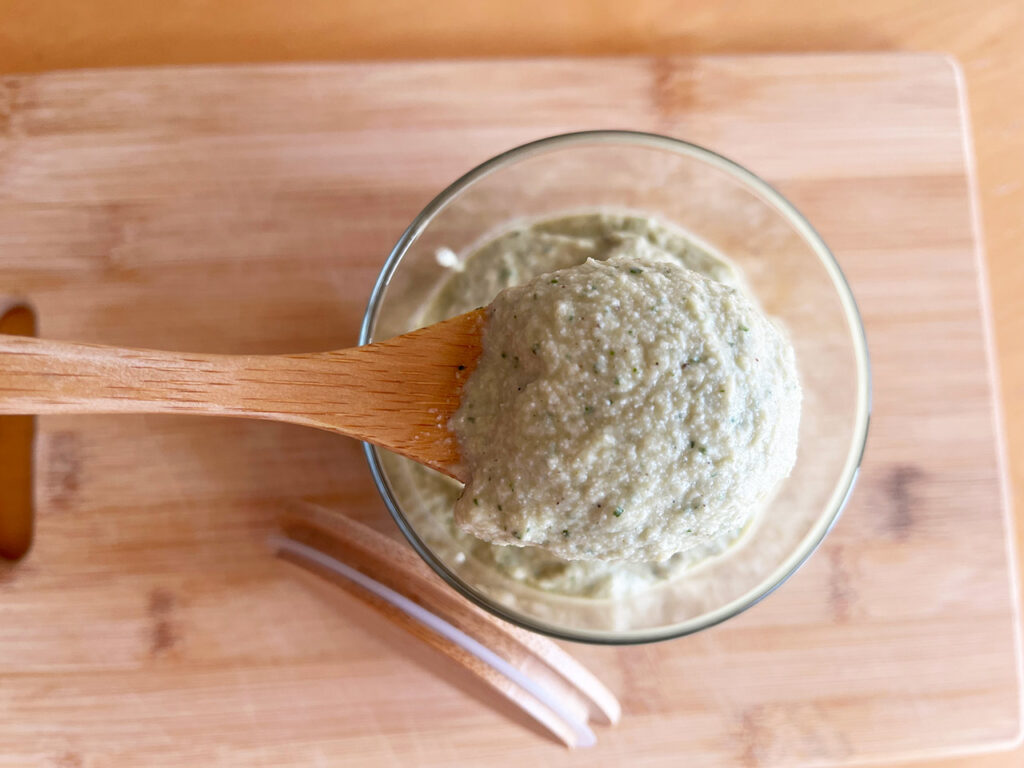
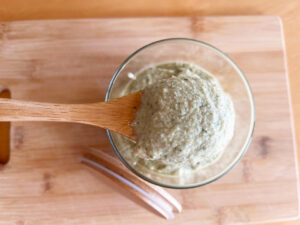
Store in an airtight container.
Storage Tips
Store in an airtight jar in the fridge for up to 5 days.
Freezing
Freeze in small portions (like in ice cube trays) for later. Thaw on the countertop.
SUBSCRIBE
Remember to subscribe to my free newsletter to receive all my latest recipes in your inbox. Click here to sign up!

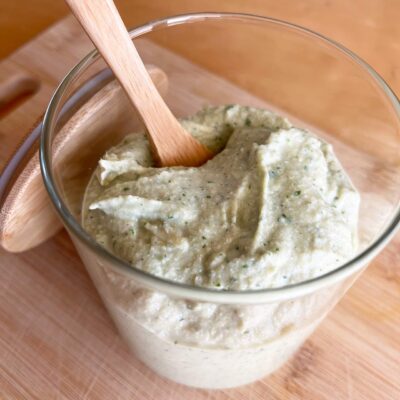
Artichoke Pesto Recipe
Ingredients
- 14 oz. can or jar of artichoke hearts (packed in water or brine, not oil – drain)
- 1 cup fresh basil leaves (packed tight for measuring)
- ⅓ cup raw cashews (or pine nuts – soaked in warm water for 30 minutes or boiled for 5-10 minutes)
- 2 tbsp. lemon juice (about half a lemon)
- 1 tsp. lemon zest
- 1 large garlic clove (Resist the urge to add more until you try the sauce. You can blend more in to adjust)
- ¼ cup extra virgin olive oil
- ¼ tsp. salt (or to taste)
- ¼ tsp. ground black pepper (or to taste)
- 2 tbsp. water (optional for consistency)
Instructions
- Gather, measure, and prep all ingredients as indicated.

- Add the artichoke hearts, basil, cashews or pine nuts, lemon juice, zest, garlic, salt, and pepper to a food processor or blender.
- Pulse until finely chopped.
- Slowly stream in the olive oil while processing until smooth. If it’s too thick, add 1 tablespoon of water at a time until the desired consistency is reached.
- Taste and adjust seasonings (salt, lemon, or garlic) as needed.
- Store in an airtight container.
Notes
Nutrition